Limited to 148 units
Three-domain digital-to-analogue conversion platform · Made in Great Britain
Luna Ingenii
Overview
Ingeniiisathree-domaindigital-to-analogueconversionplatformdesignedtopreservethemusicalityofdigitalreplay,withoutthearchitecturalcompromisesofconventionalDACdesign.
Key Features
Defining characteristics
Three Legendary Conversion Paths
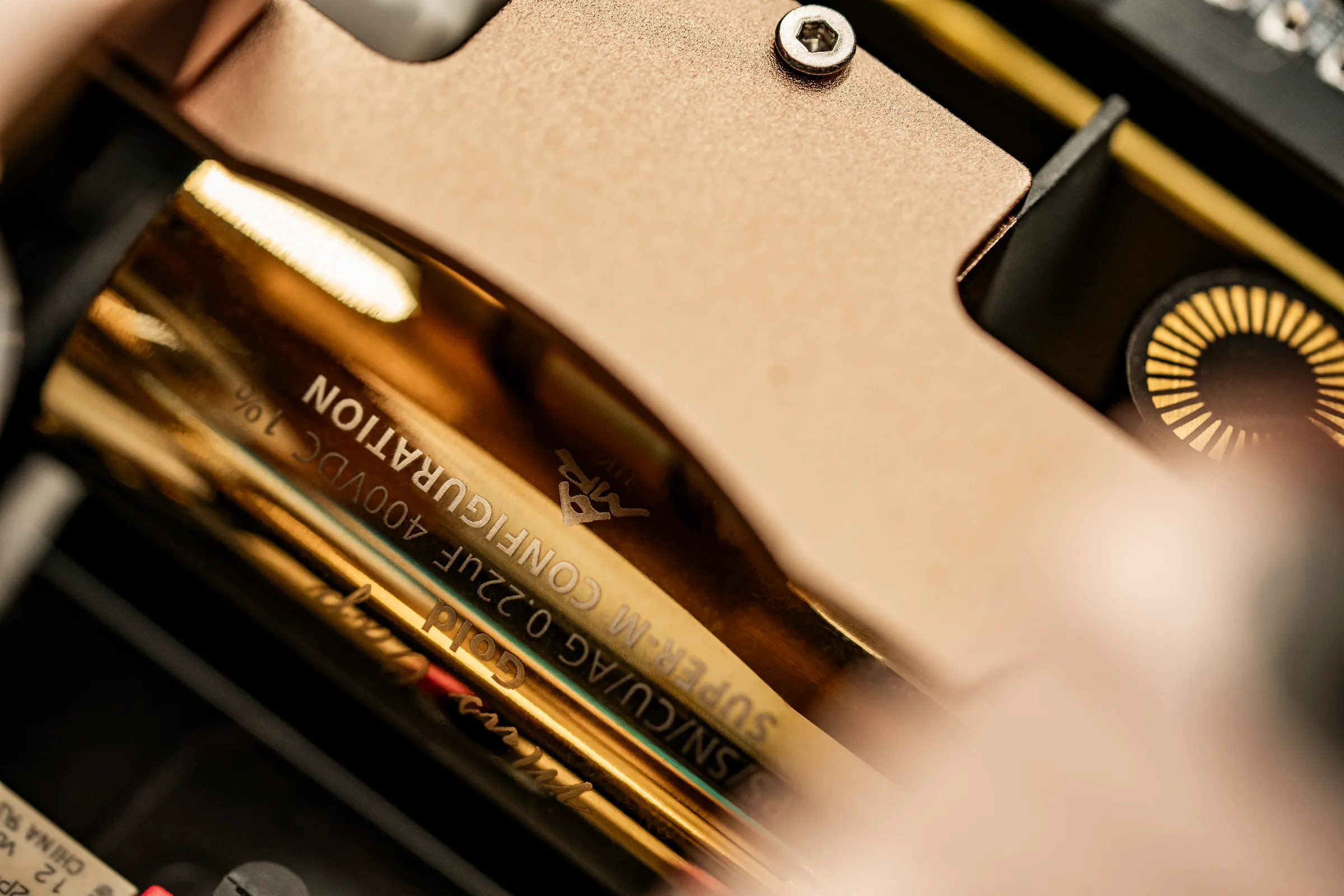
Bit-Gravity™ Multi-Domain Weighting Control
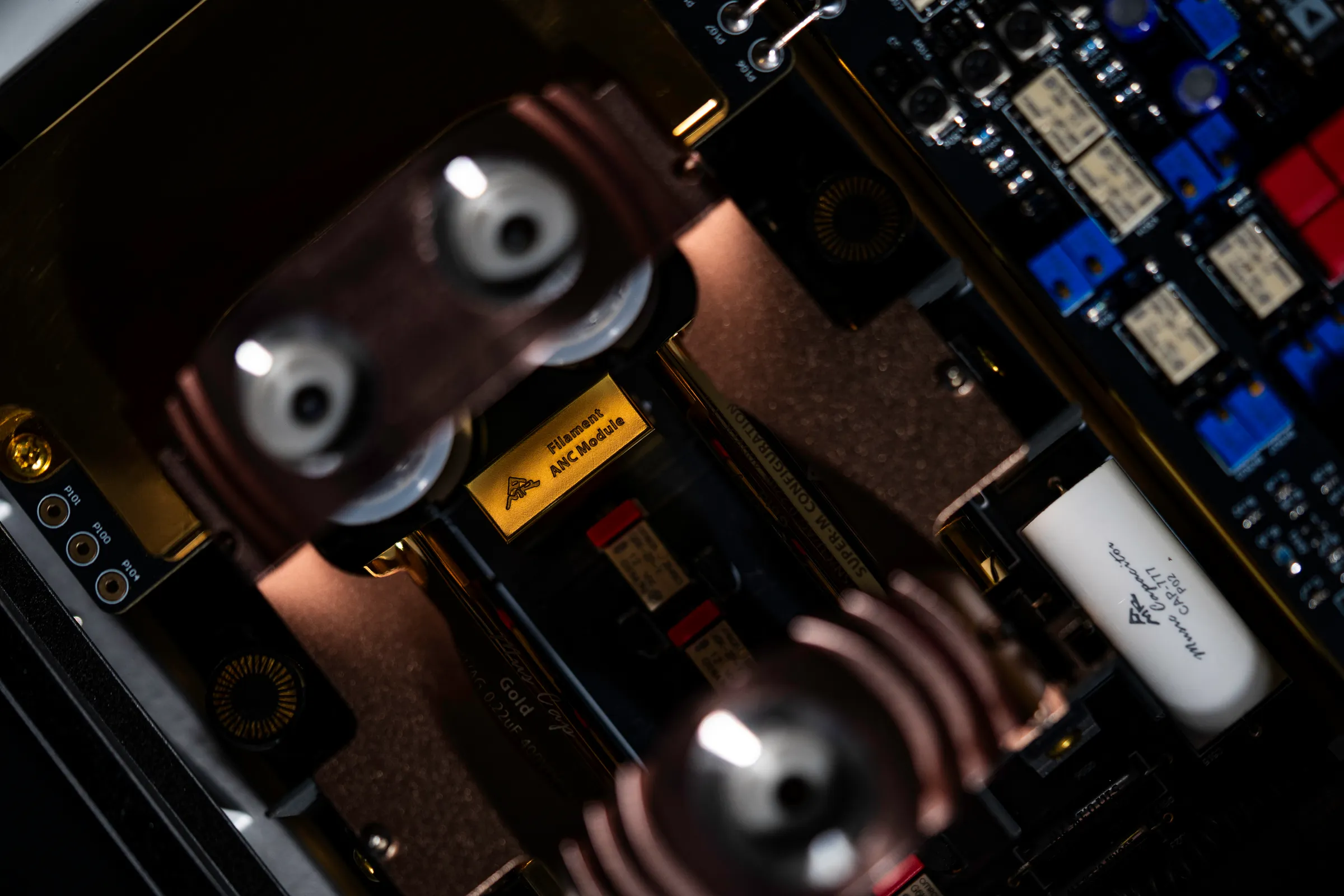
Selectable Analogue Output Topologies and Voicing
AirLock™ Fully Isolated Off-Grid Power System
Functionally Independent
Three Legends. One Perfect Stream.
The modern DAC landscape is dominated by design optimised for measurement performance and large-scale integration. This is success from an engineering perspective, not a listening one. The Ingenii was therefore engineered from a singular premise - to preserve the musical integrity of digital replay through structural prevention as opposed downstream correction - addressing degradation at its origin. Each stage is electrically isolated, mechanically controlled, and functionally independent. There is no “house” sound; only what can be achieved if cost is not a consideration.
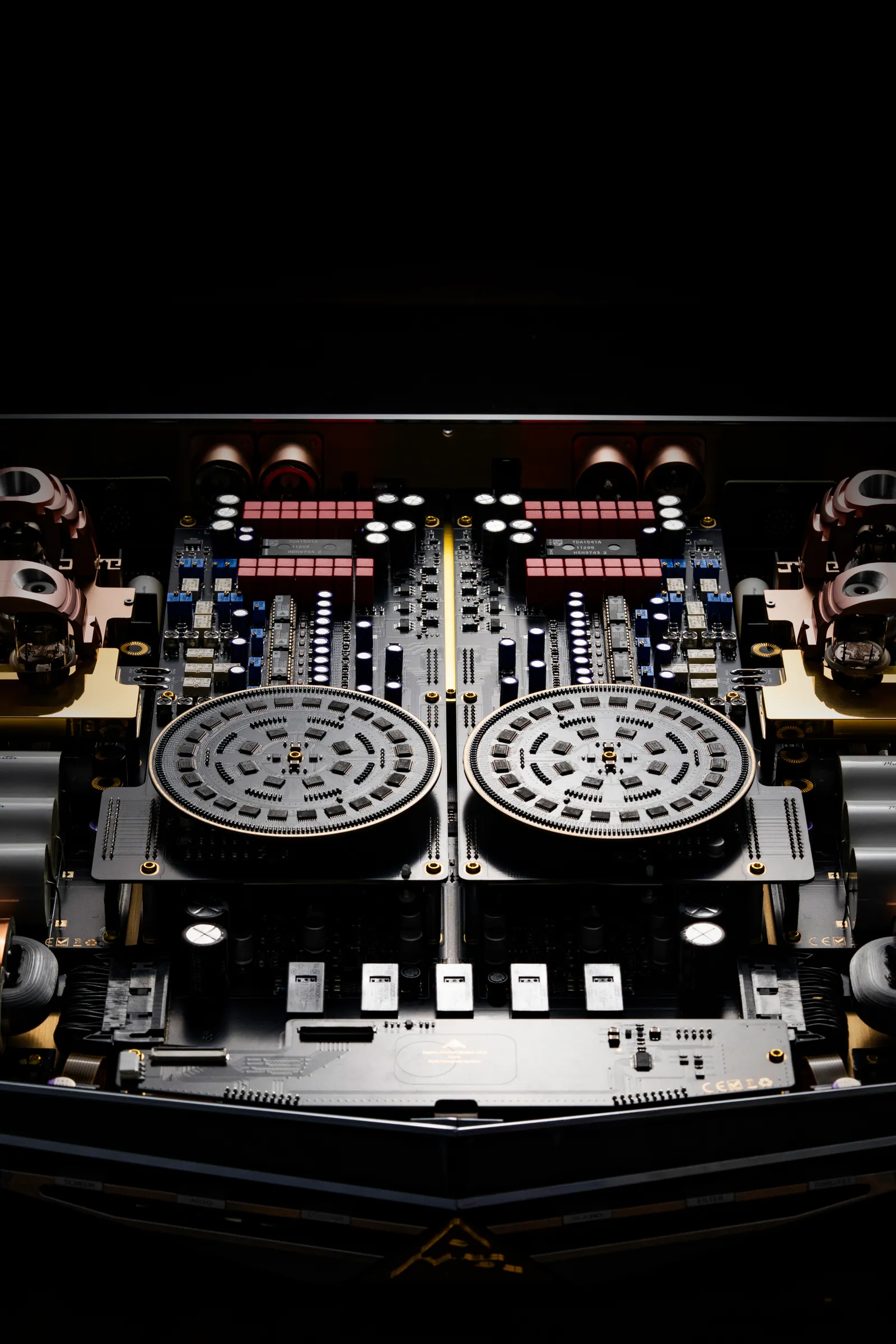
Craftsmanship
Tri-Architecture Conversion System.
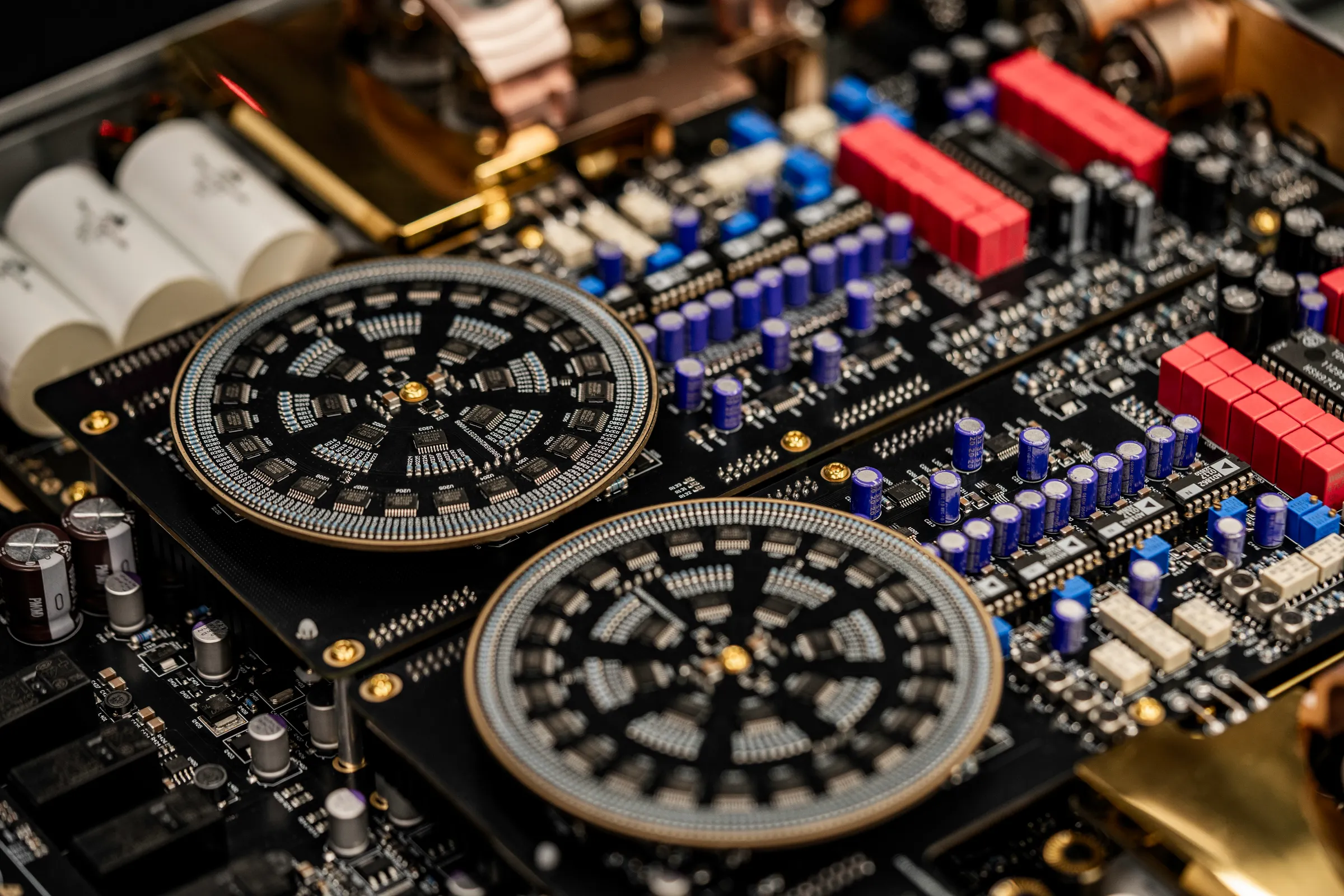
Ingenii recognises that conversion itself carries aesthetic consequence. It therefore unites three legendary conversion topologies, each architecturally distinct: Philips TDA1541A with Dynamic Element Matching - for a romantically musical presentation. Analog Devices AD1862 (R2R) - for detailed, airy, and dynamic sound. DSD-Direct Stonehenge Architecture - for seamless liquidity and flow. Through Bit-Gravity™ control, the listener can dynamically allocate bit-weighting across conversion domains, shaping the balance of reconstruction without damaging signal integrity.
Philips TDA1541AAnalog Devices AD1862 (R2R)DSD-Direct Stonehenge ArchitectureBit-Gravity™

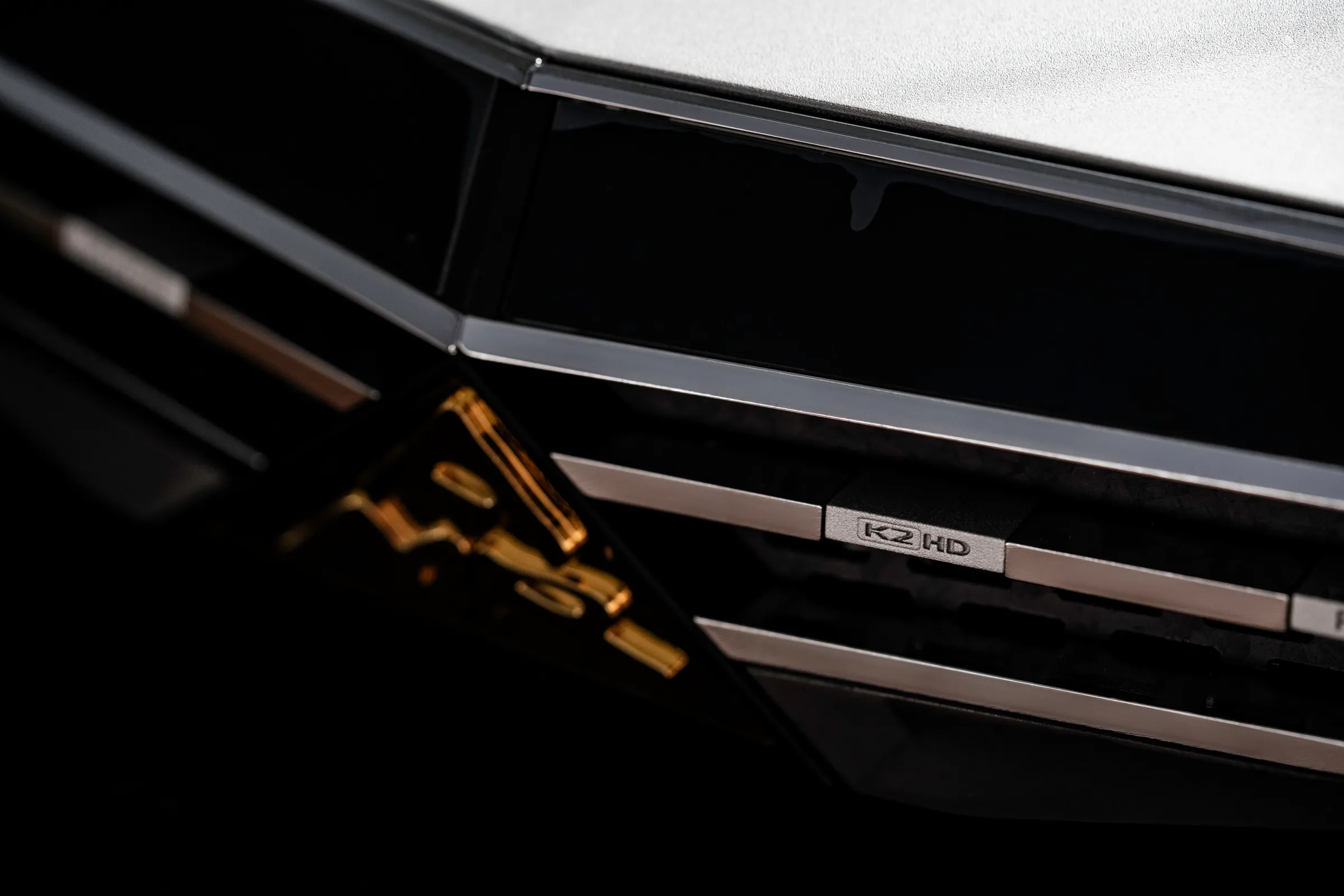
A Physical Architecture of Silence.
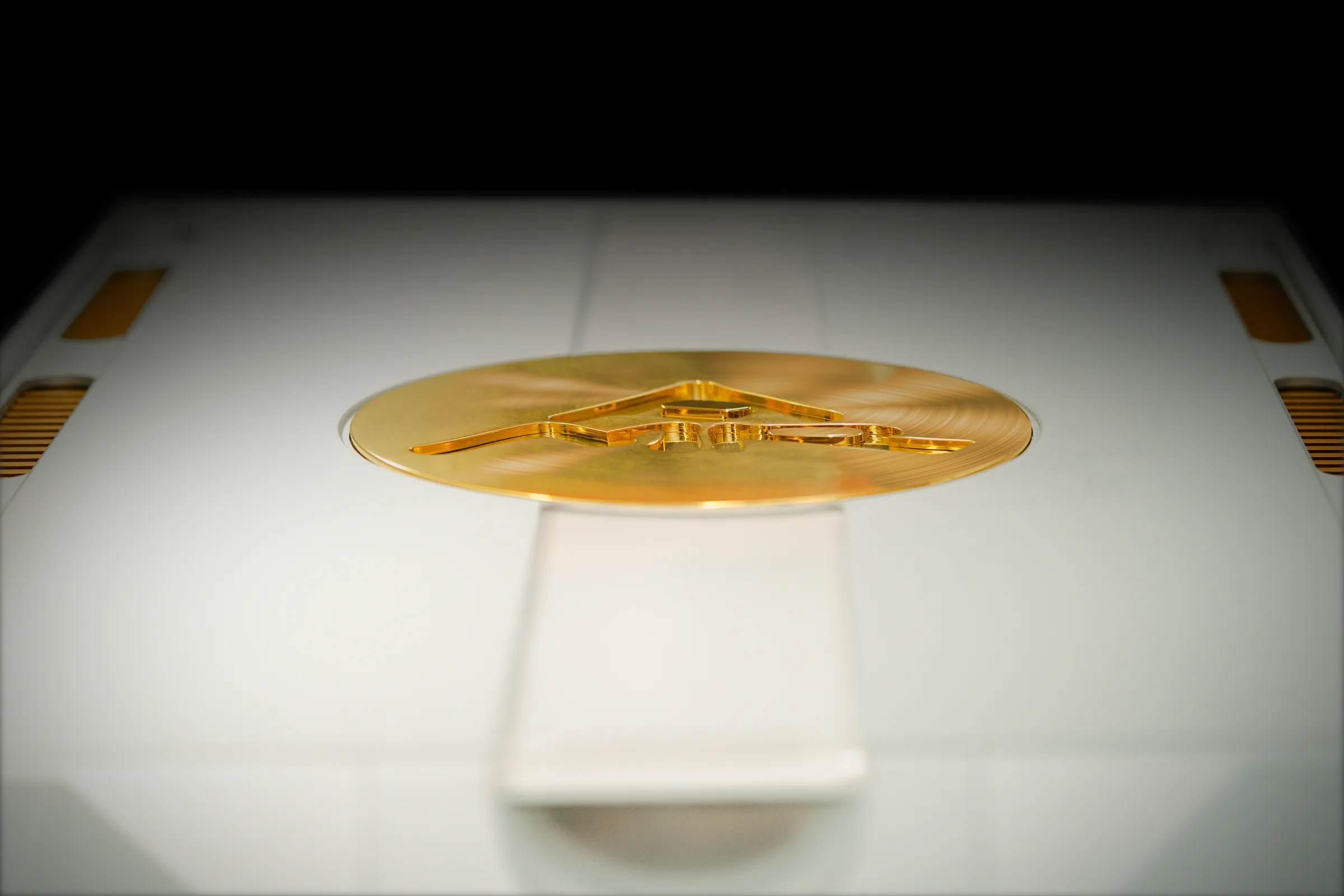
Ingenii’s composite chassis inherits Luna’s material philosophy of copper, aluminium, polymer isolation, and vibration-dissipating layers to control resonance and electromagnetic exposure.
Signal Preparation, Without Interpretation
Digital Mastering™.
Before conversion begins, the Ingenii prepares the incoming signal through its proprietary Digital Mastering™ architecture. Seven selectable filter profiles, three DSD Remastering modes, and optional enhancement algorithms allow transient behaviour, time-domain reconstruction, and harmonic integrity to be optimised before the conversion stage itself. The objective is not to alter the music, but to prepare it for the most faithful possible reconstruction.
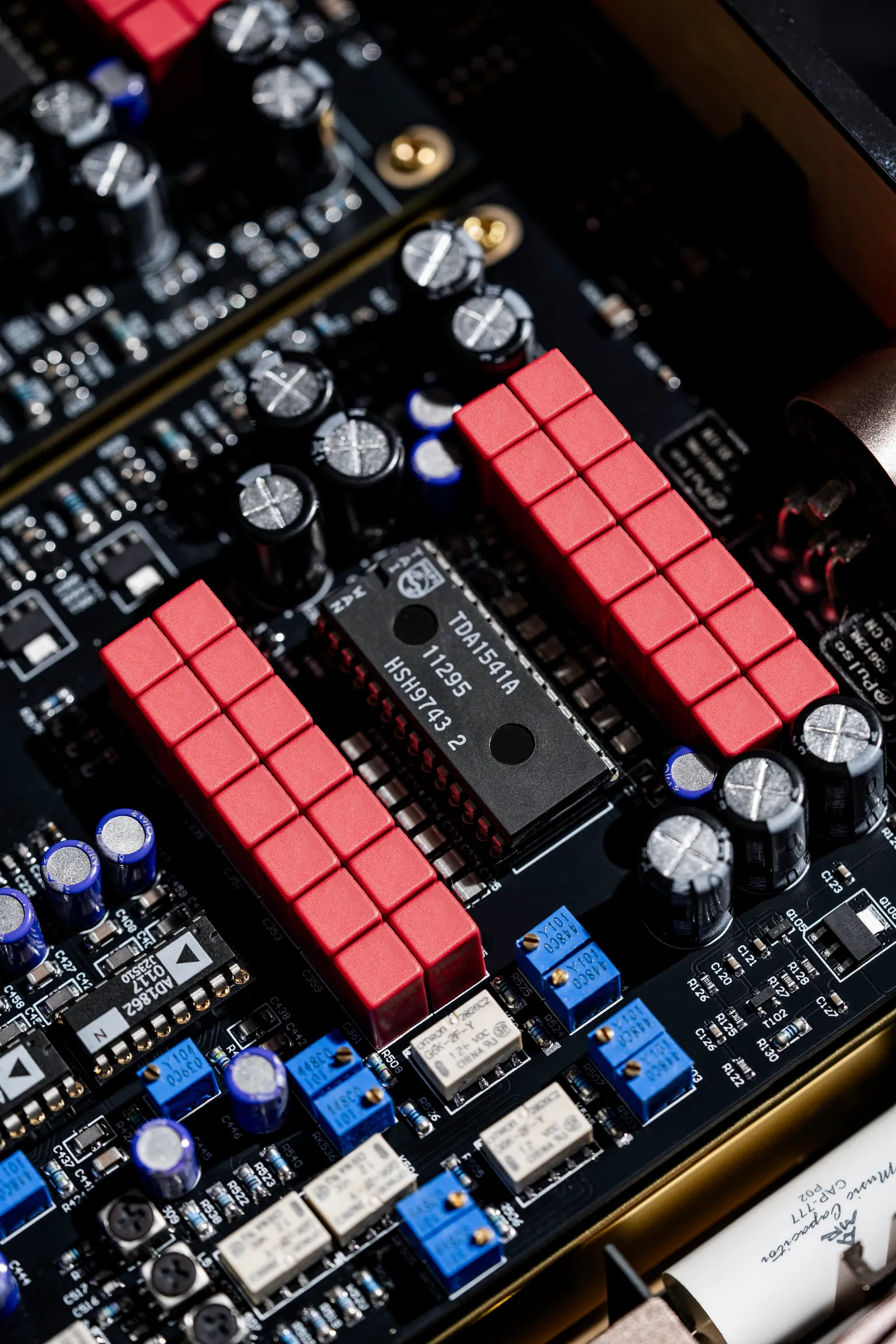
Three Legendary Conversion Paths
Tri-Architecture DAC System.
Ingenii rejects the notion that a single conversion architecture can excel in every aspect of musical reproduction. Instead, it combines three fundamentally different conversion domains: the Philips TDA1541A with Dynamic Element Matching for natural tonal density, the Analog Devices AD1862 R-2R architecture for detail and dynamic precision, and the proprietary DSD-Direct™ Stonehenge Architecture for seamless liquidity and flow. Each topology contributes its own strengths to the reconstruction process.
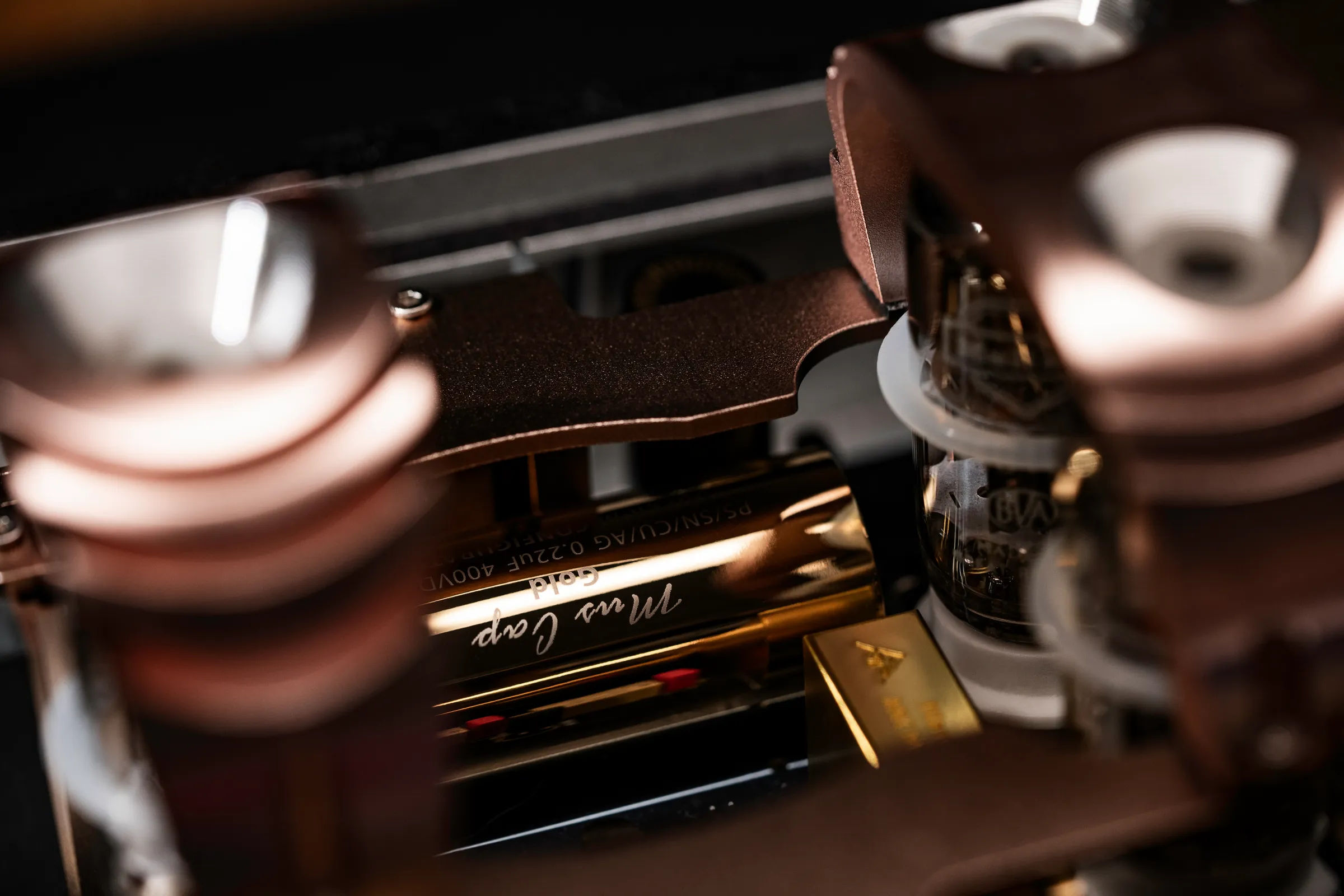
Selectable Analogue Identity
Output Voicing Architecture.
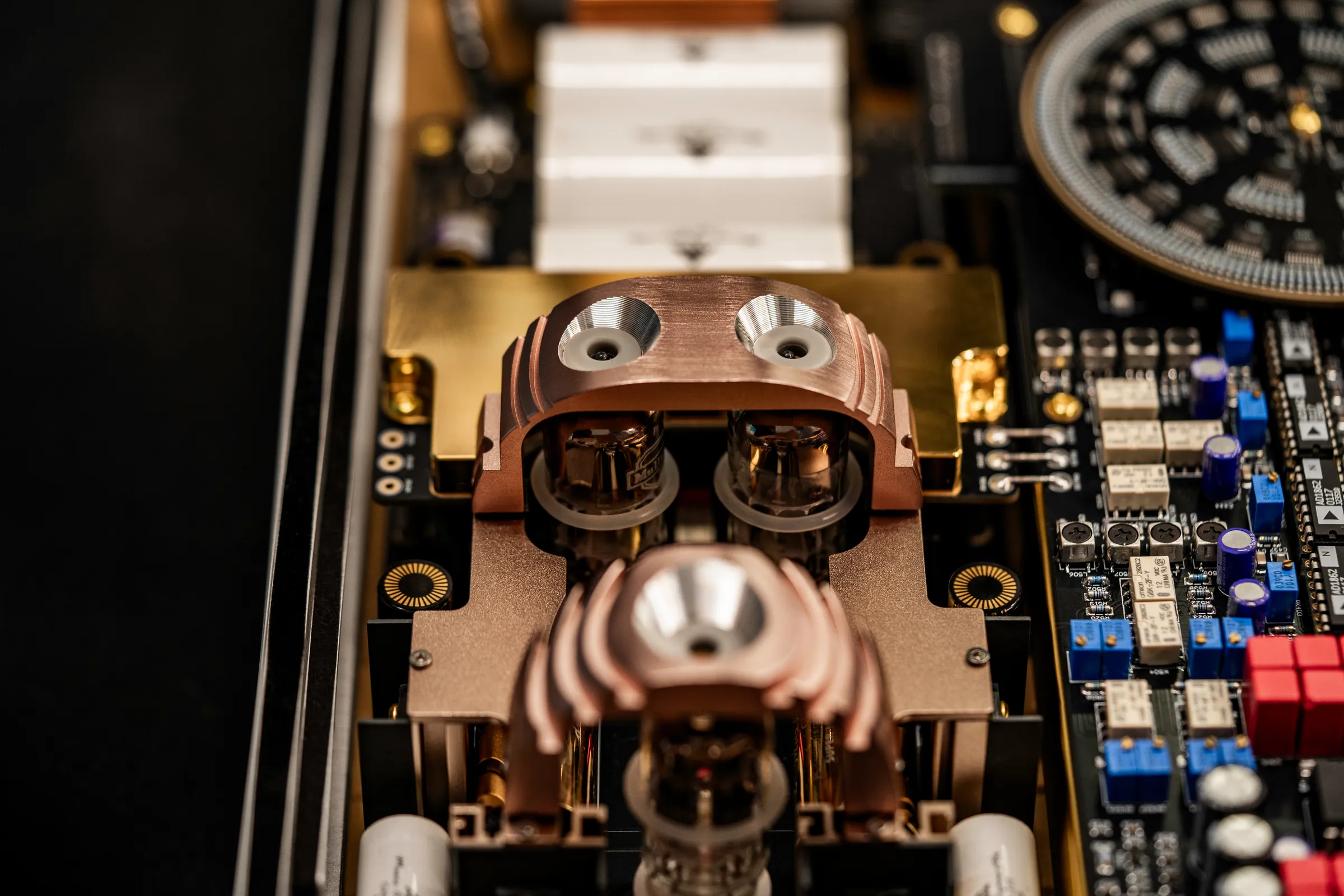
Following conversion, Ingenii employs a passive silver-tantalum I/V stage designed to avoid imposing character onto the signal. The listener can then define the final presentation through selectable valve or Class-A FET amplification stages, with both balanced and single-ended outputs available. Rather than enforcing a fixed sonic signature, Ingenii allows the analogue character of the system to be tailored while preserving signal integrity.
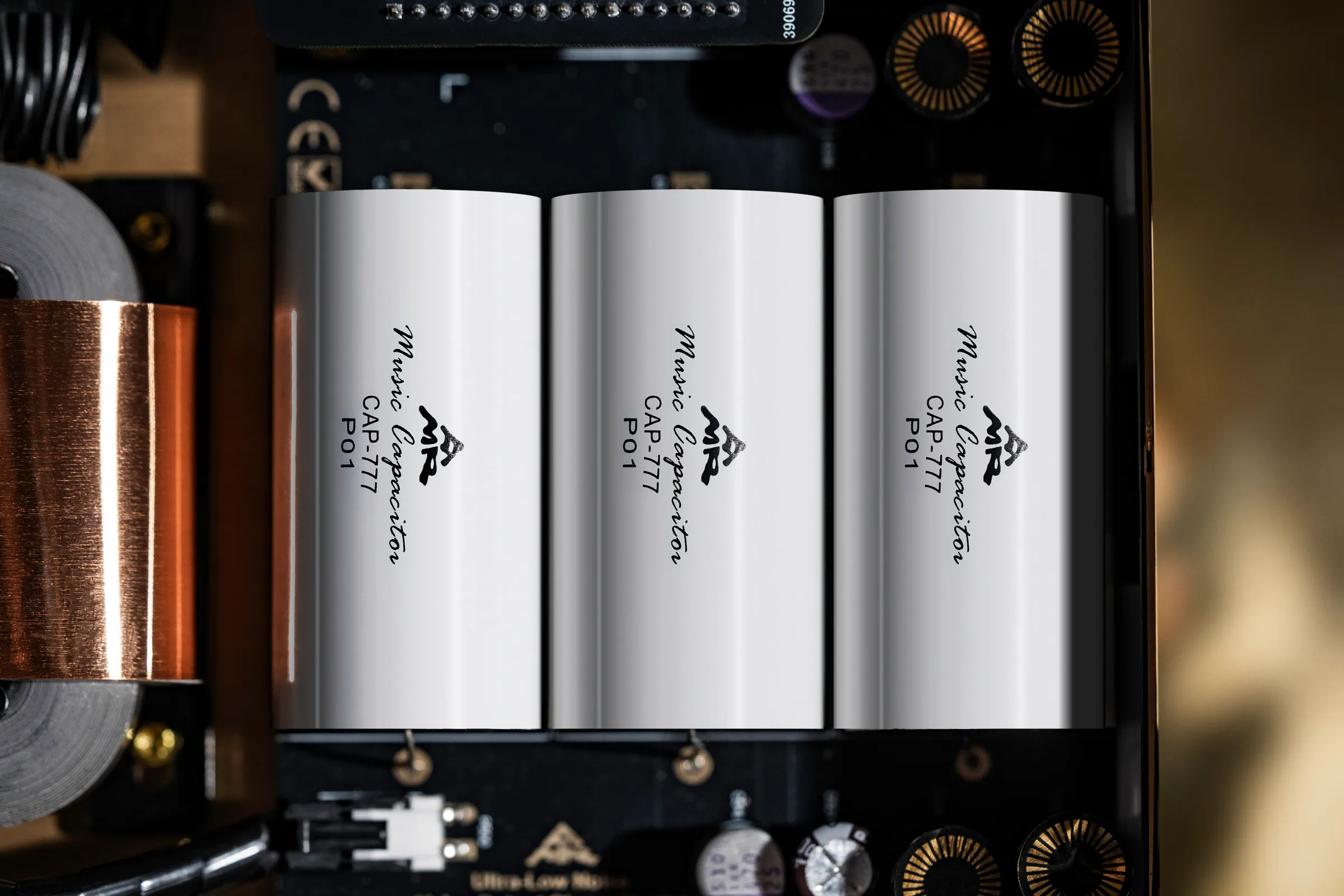
Detached From The Mains
AirLock™ Power Architecture.
Ingenii's AirLock™ system applies the principles of an airlock to electrical power delivery. Energy is stored within an isolated reservoir before being completely decoupled from the mains during playback. The audio circuitry therefore operates free from live supply interaction, preventing mains-borne noise, charging artefacts, and electrical contamination from reaching the signal path. Power is separated from playback by design, not managed within it.
Technical Excellence
Coherence Across Every Domain.
Ingenii treats digital replay as a complete system rather than a single conversion chip. Digital preparation, PCM and DSD conversion, clocking, power isolation, analogue output, internal wiring, and mechanical construction are each controlled as separate domains, then brought together through one disciplined architecture. The result is a DAC platform designed to preserve format identity, timing stability, low-level information, and analogue integrity without forcing every recording through one fixed conversion philosophy.
3
Architecture Domains
148
Devices Worldwide
128stage
True DSD Decoding
Pure Silver
Internal Signal Wiring
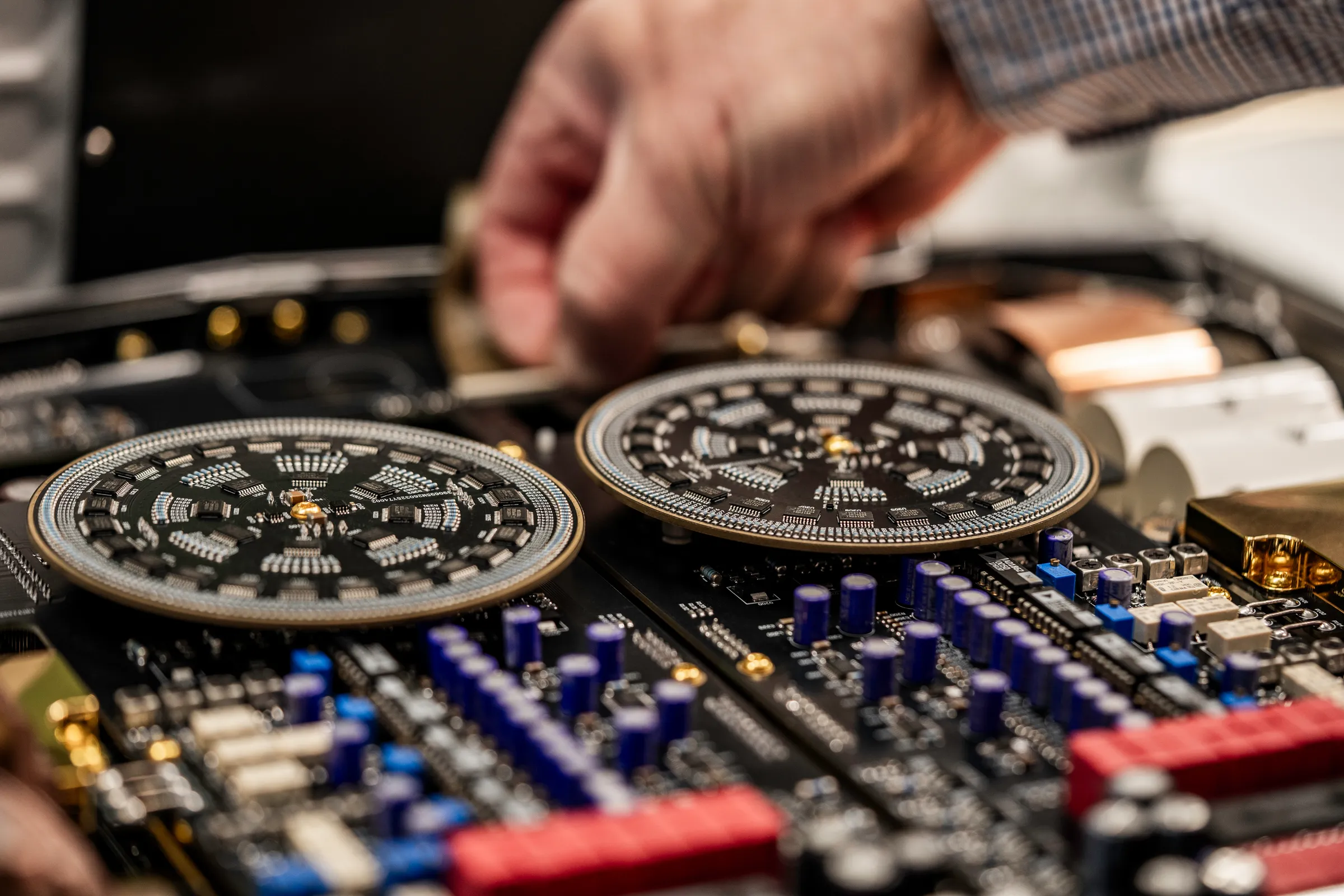
Every format keeps its identity.
PCM is preserved as PCM unless remastering is selected. DSD is decoded through its own dedicated path. Ingenii does not hide conversion decisions - it makes them part of the architecture.
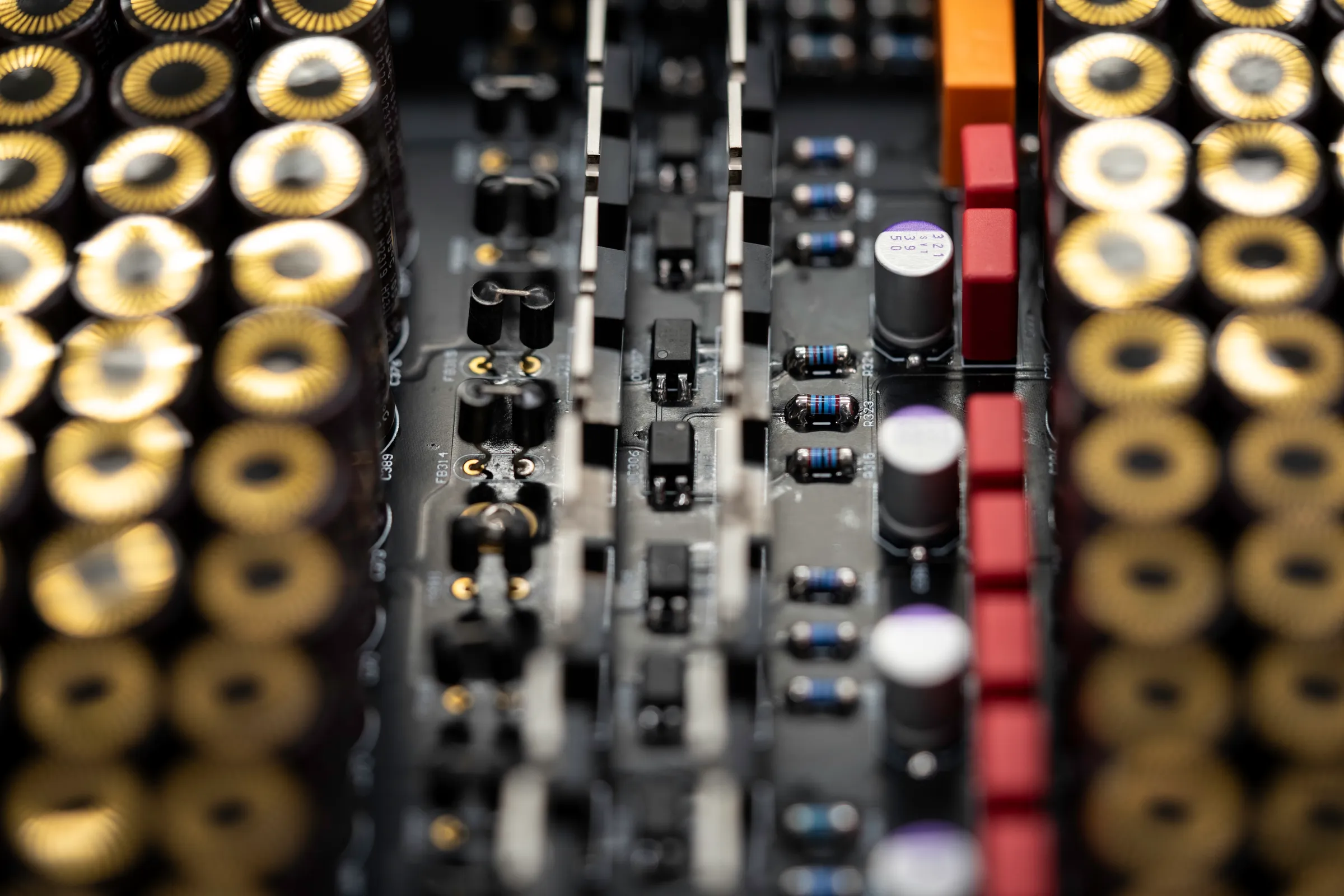
Precision, without sameness.
Bit-Gravity™ allows PCM reconstruction to move between different multibit behaviours, giving the listener meaningful control without relying on EQ, DSP voicing, or post-processing effects.
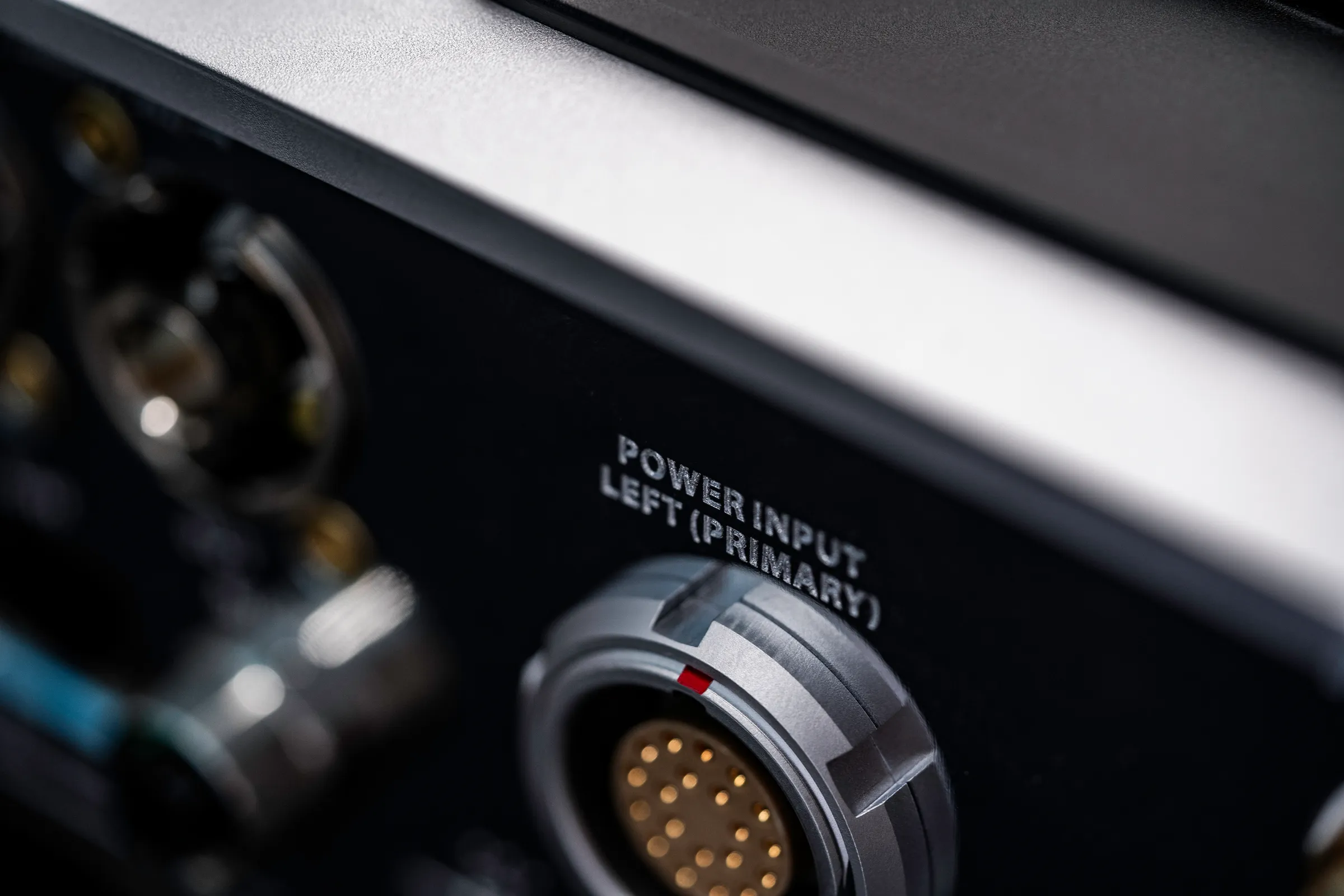
Quietness you can feel.
By controlling power, clocking, mechanical behaviour, and internal interfaces as separate domains, Ingenii reduces the low-level instability that can make digital playback sound restless or fatiguing.
The Luna family represents our obsessive pursuit of preserving the beauty of recorded music. Years of research and thinking beyond convention have all been in service of a singular goal: preventing sonic degradation before it takes hold.
Specifications - Luna Ingenii
OVERVIEW
- Product Type
- Reference DAC / Digital‑to‑Analogue Converter
- Series
- AMR Audio Luna Collection
- Architecture
- Three‑stage single‑chassis: Digital Mastering™ → Conversion → Analogue Drive
- Production Limit
- Limited to 148 units
- Designer
- Colin Farch
ANALOGUE OUTPUT
- Amplification Options
- Tube (NOS 12AT7 × 2/ch) or FET
- Driver Stage
- NOS 5687 × 1/ch - high‑current, low‑impedance tube buffer
- Output Modes
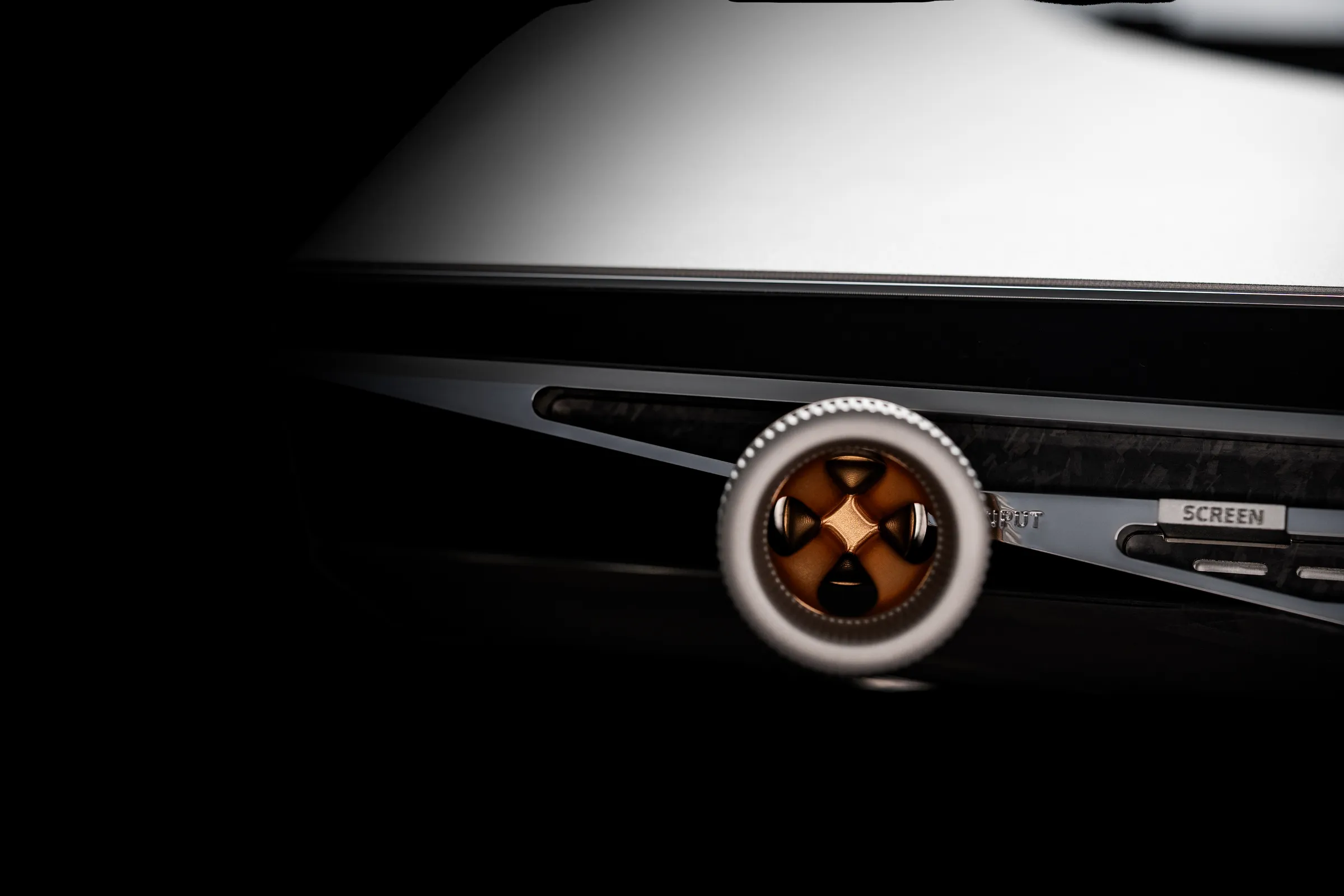
- Balanced (XLR) + Single‑Ended (RCA)
- I/V Conversion
- Passive I/V conversion
- Valve Matching
- NOS, computer‑matched sets
DAC ARCHITECTURE
- PCM Conversion
- BitGravity™ Distributed Multibit - TDA1541A + AD1862 dual‑engine
- BitGravity™ Modes
- Soul+ (T16/A16), Soul (T15/A17), Precision (A18/T14), Precision+ (A20/T12)
- DSD Conversion
- DSDDirect™ Stonehenge Engine - 128‑stage true DSD, dedicated path, no PCM conversion
- DSD Stonehenge
- Circular geometry, equal‑length clock/data paths (zero‑skew layout), 32 chips
- Effective Resolution
- True 32‑bit distributed decoding (8 × AD1862 + 2 × TDA1541A)
- PCM Chip Count
- 8 × AD1862 (300+ supporting components), 2 × TDA1541A (400+ supporting components)
- DSD Chip Count
- 32 chips, >300 components
POWER & ISOLATION
- Power Architecture
- AirLock™ - Fully Isolated off‑the‑grid Power Supply
- Isolation Method
- Mains disconnected after reservoir charge; HF/RF isolation from transformer parasitics minimised
DIGITAL FRONT END
- PCM Formats
- Up to PCM 384 kHz (native); PCM 768 kHz via DSD remaster or down‑convert to 384 kHz
- DSD Formats
- DSD64 / DSD128 / DSD256 / DSD512; DSD Remaster to DSD512 / DSD1024 / DSD2048
- Digital Inputs
- LAN (Ethernet), Wi‑Fi, AES/EBU, Coaxial S/PDIF, Optical TOSLINK, HDMI (I²S in/out)
- Input Isolation
- All digital inputs galvanically isolated
- Streaming
- TIDAL, Qobuz, Spotify Lossless, Roon (native; wired & wireless)
CLOCK
- Clock Design
- Ultra low phase‑noise; air‑suspended mechanical isolation; controlled distribution
DIGITAL MASTERING™
- Filter Options
- BitPerfect, BitPerfect+, GTO, Apodising, TransientAligned
- DSD Remaster Options
- DSD2048, DSD1024, DSD512
- Enhancement Options
- K2, K2HD
- Time-Lens Filter
- Extended/On/Off
CONSTRUCTION
- Dimensions (L x W x H)
- 47 x 48 x 13cm
- Weight
- 37.15kg
- Chassis
- Solid copper inner chassis + aerospace‑grade aluminium outer + polymer isolation + polysiloxane sheets
- Internal Wiring
- Pure silver conductors
- Soldering Material
- WBT Silver Solder
- Passive Components
- Audio Note Silver Tantalum resistors, custom Teflon capacitors
- Connectors
- WBT NextGen silver
- PCB Material
- Low‑dielectric PCBs
- Industrial Design
- Supercar‑inspired; LED matrix instrument display
Gallery
Luna Ingenii
01 / 14
.webp)